







When people talk about biodiversity, most imagine rare plants, large carnivores, or tropical rainforests. However, the mosaic of life also includes inconspicuous organisms that we often overlook – lichens. They represent some of the most remarkable examples of biological cooperation in the natural world.
Lichens are not single organisms, but rather the result of a complex symbiosis between several partners from different kingdoms – primarily fungi, algae, cyanobacteria, and bacteria. This partnership allows them to colonise environments where many other organisms would fail to survive: bare rock faces, high-altitude mountain regions, or ancient tree trunks exposed to extreme conditions. Furthermore, they are exceptionally sensitive to environmental changes, which is why they have been used for decades as reliable bioindicators of environmental quality.
Lichen research is a core focus at the Institute of Botany of the Plant Science and Biodiversity Centre of the Slovak Academy of Sciences (SAS). We investigate their evolution, their relationships with the environment, and the mechanisms that shape their species diversity. Our work involves studying the genetic structure of populations, their ability to adapt to a changing climate, and the processes that influence how species emerge and disperse across space and time.
Molecular methods, particularly DNA analysis, play a vital role in this work. These techniques allow us to uncover phylogenetic relationships between species, track their migration, and better understand the factors that determine their survival. However, modern biodiversity research has long since moved beyond the confines of laboratories and herbaria. Collaboration with the public – often called citizen science – is becoming an increasingly significant source of data.
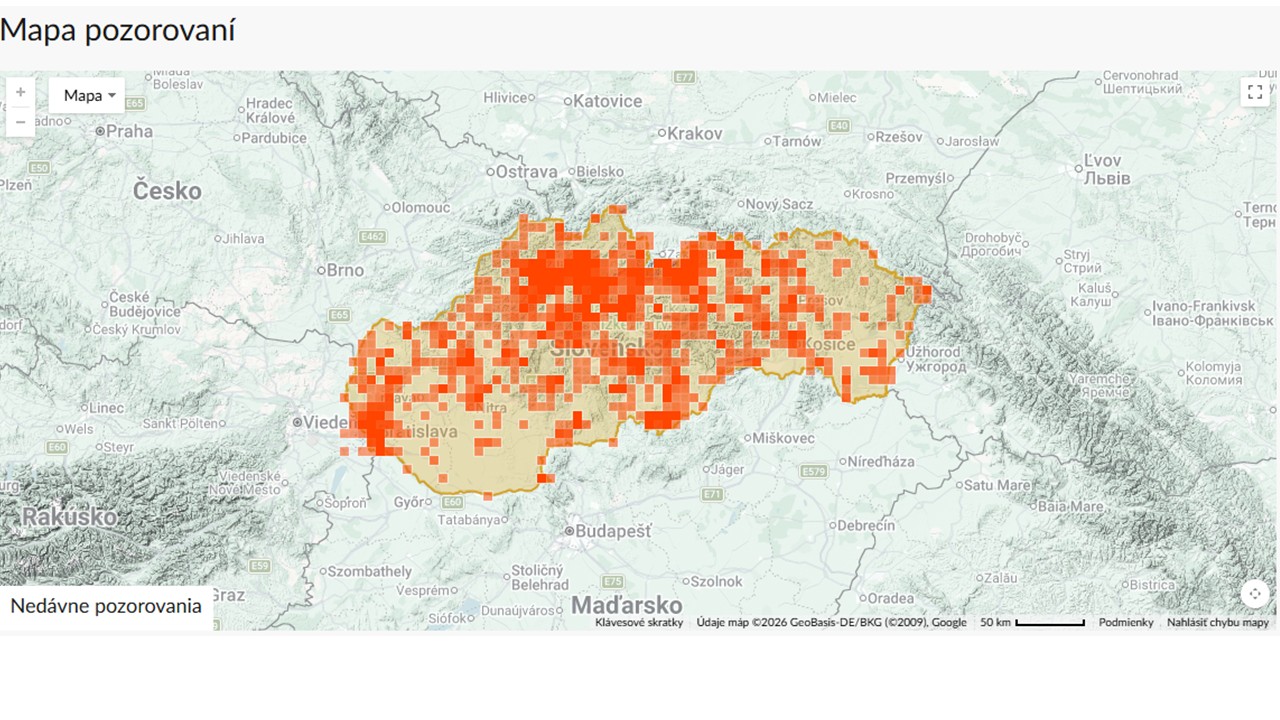
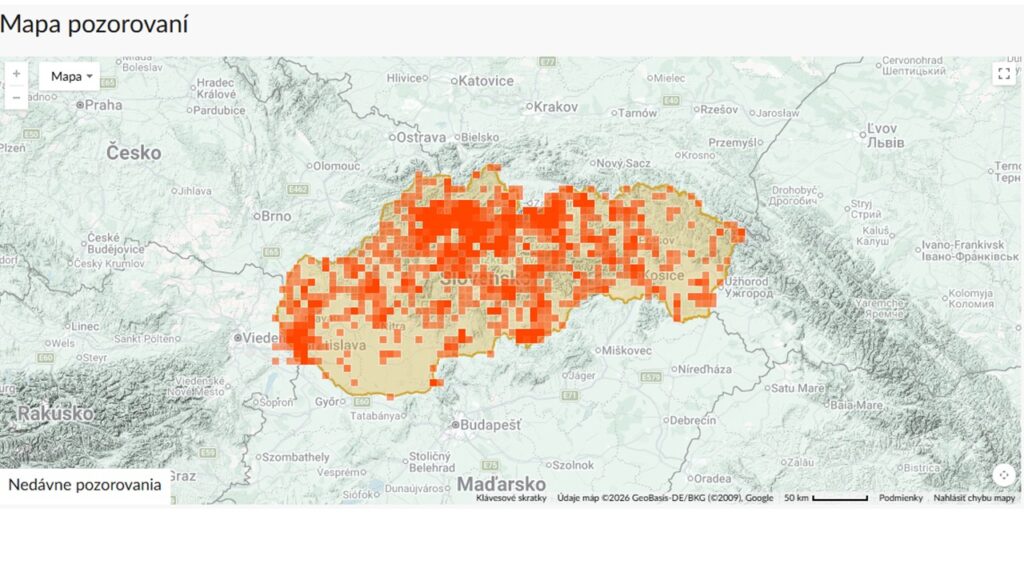
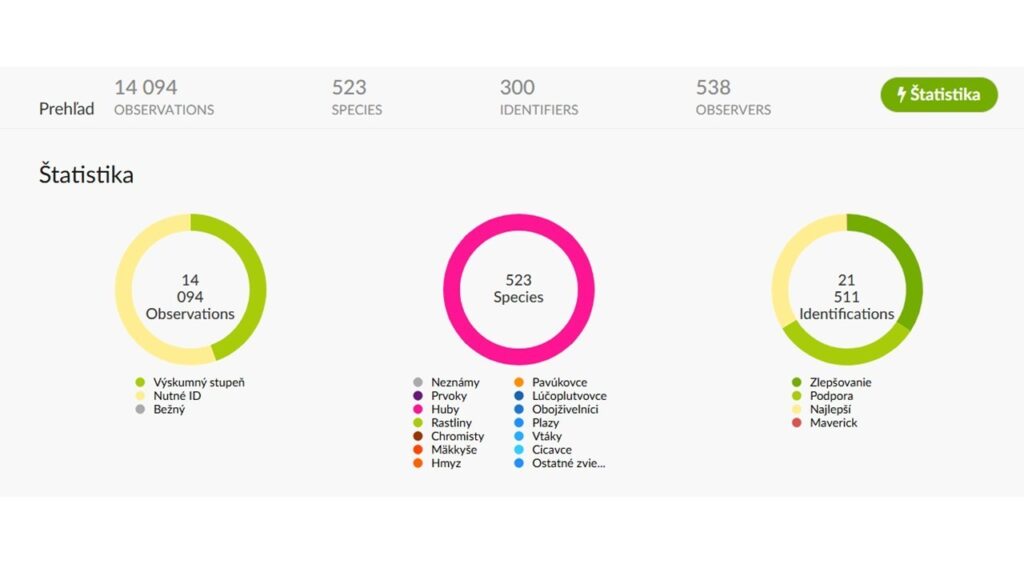
Through the iNaturalist platform, the “Lichens of Slovakia” (Lišajníky Slovenska) project was established, which has gathered thousands of observations from across the country. Photographs and records submitted by nature enthusiasts help map species distribution, monitor landscape changes, and create valuable databases that serve both scientific research and nature conservation.
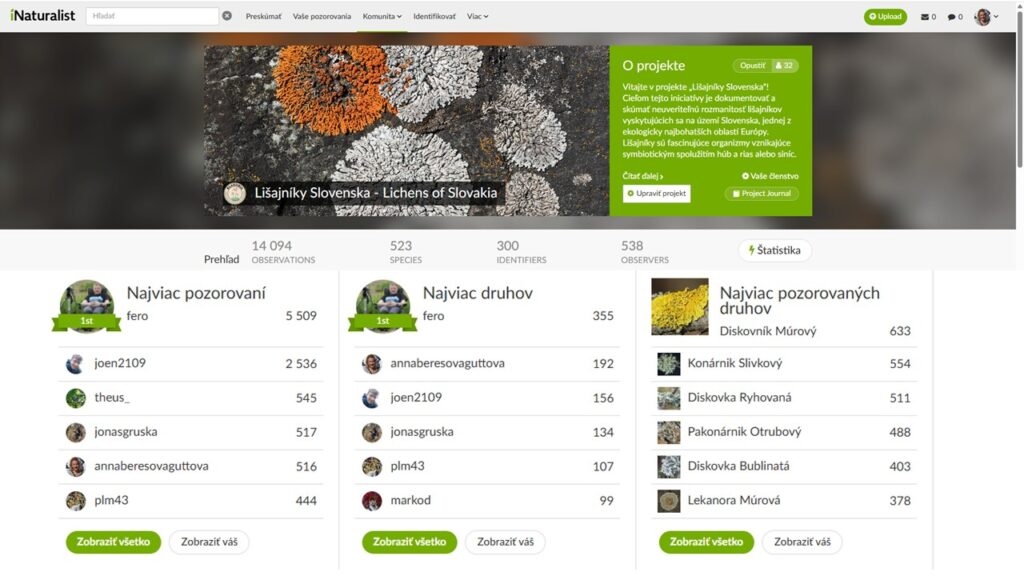
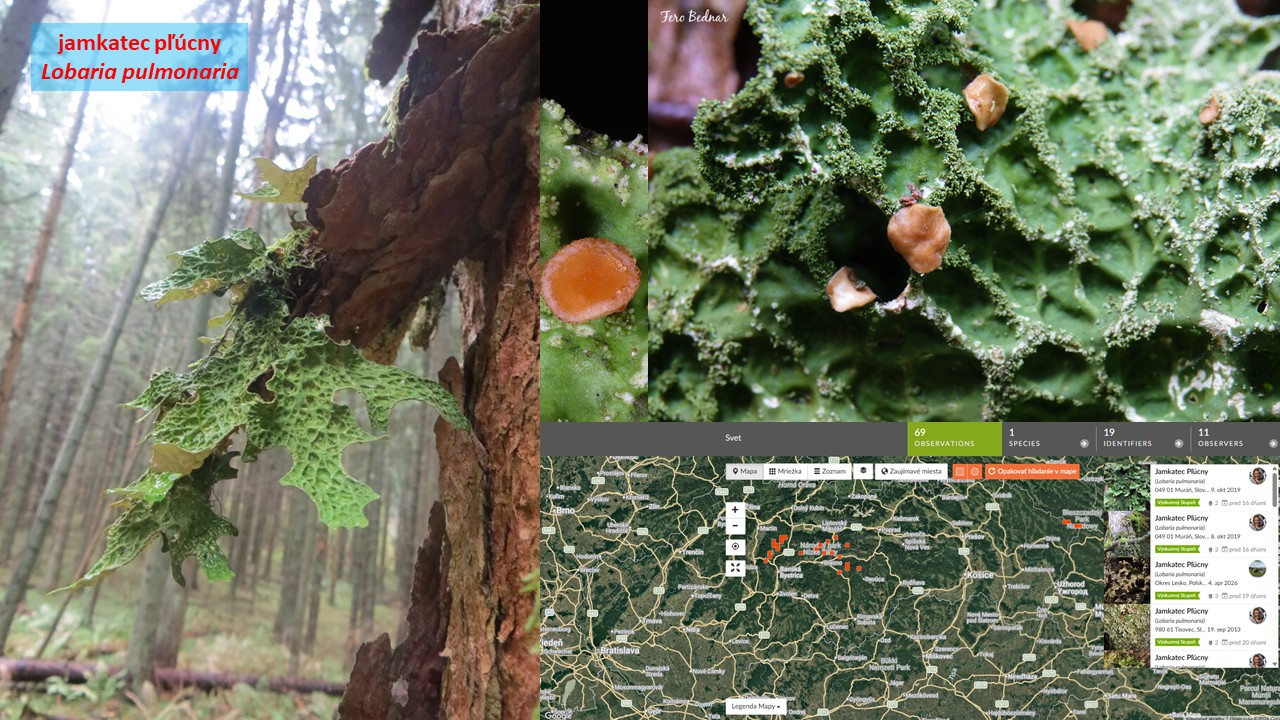
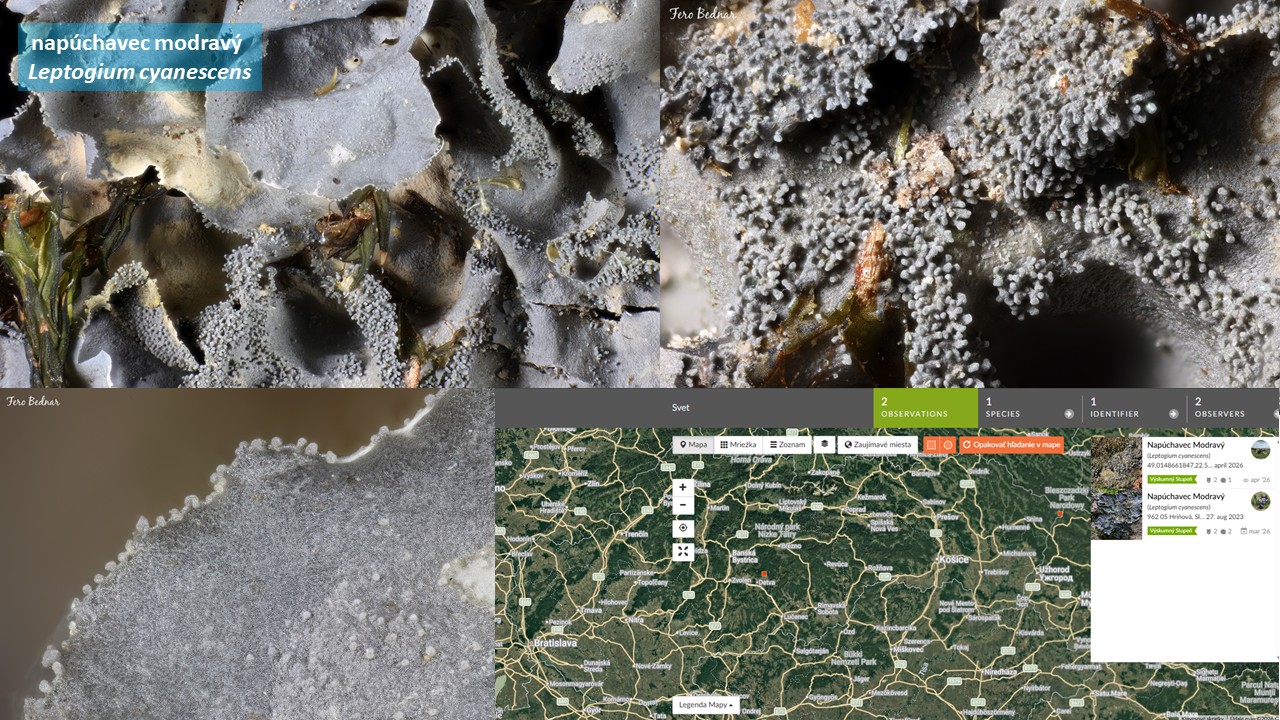
Such data also allow us to document the occurrence of rare and critically endangered species tied to well-preserved, near-natural forests. These include, for example, Tree Lungwort (Lobaria pulmonaria) or Blue Jellyskin (Leptogium cyanescens). Their presence is a vital indicator of high ecological value and the long-term continuity of forest ecosystems.
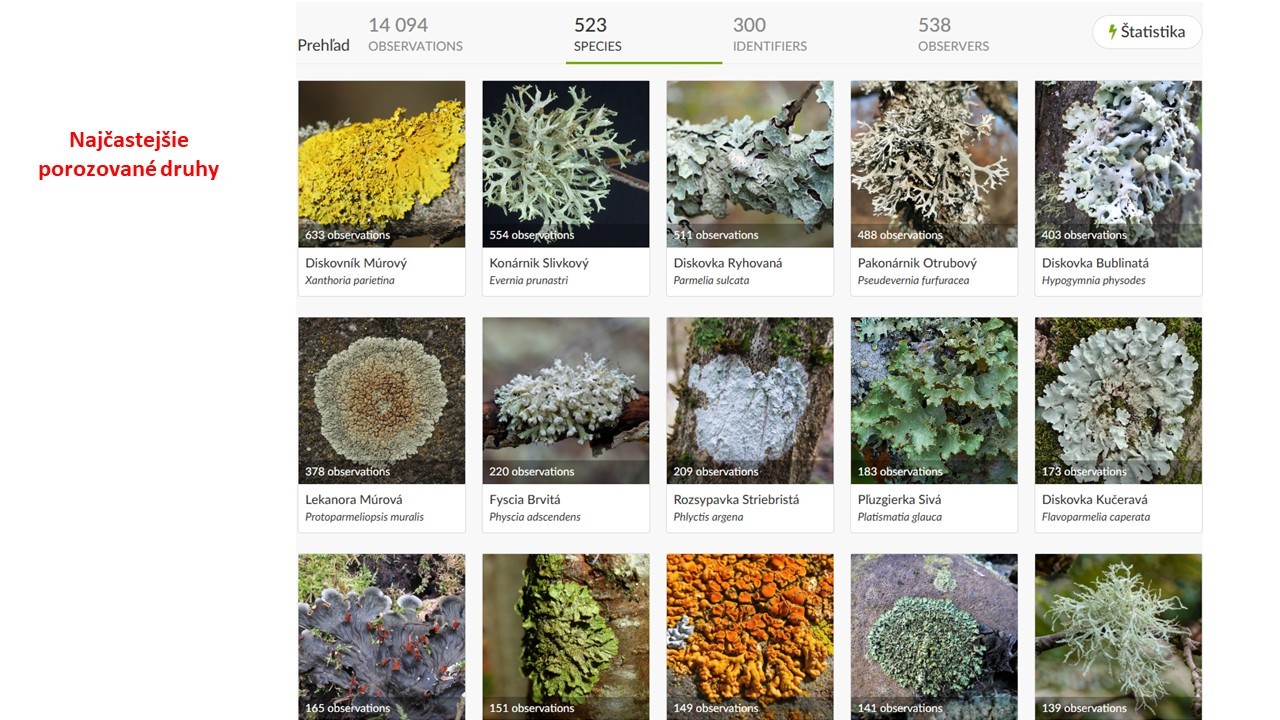
Data from iNaturalist also highlight the other end of the spectrum – the species people encounter most frequently. Among the most commonly photographed is the Common Orange Lichen (Xanthoria parietina), typical of nutrient-rich sites, and Oakmoss (Evernia prunastri), which is more sensitive to increased nitrogen levels in the atmosphere. Even these seemingly ordinary species can tell us a great deal about the state of the landscape we inhabit.
The International Day for Biological Diversity serves as a reminder not only of the importance of protecting rare species but also of the need for systematic research and long-term data collection. Without these, we cannot truly understand the shifts occurring in the natural world. Engaging the public in documenting biodiversity is becoming an essential pillar of modern research – a bridge between formal science and everyday nature observation.
Text: Anna Bérešová
Edited by: Tomáš Čejka